August 19, 2026
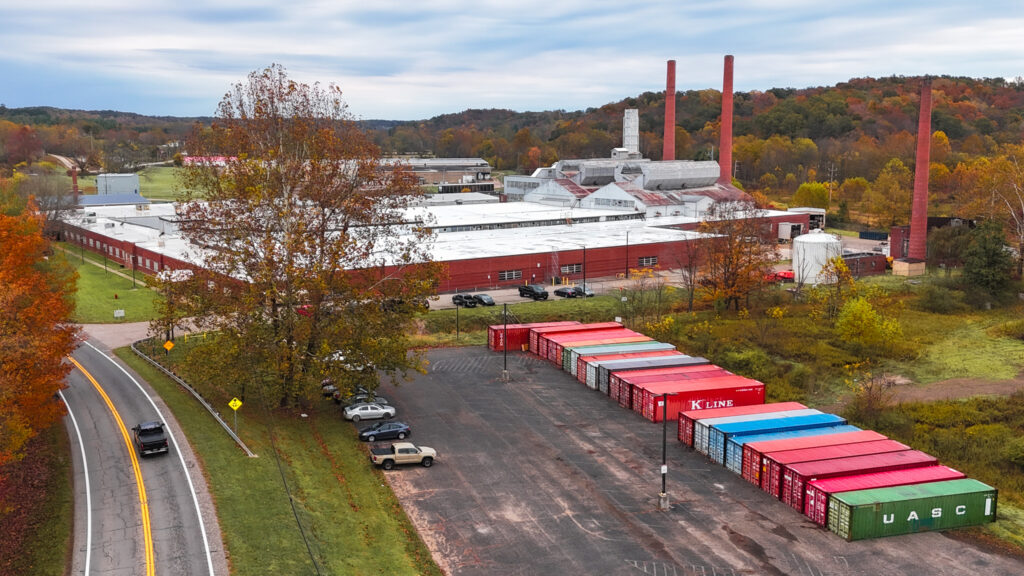
A rural manufacturer wins a new customer or sees demand rising. Capturing that opportunity may require another machine, more inventory, added floor space, or working capital before new revenue arrives. For many small and mid-sized manufacturers, growth can slow not because demand is missing, but because the right capital is not available at the right time.
That financing challenge has implications beyond one company. As businesses bring more production closer to U.S. customers, rural manufacturers can help strengthen domestic supply chains, expand U.S. manufacturing capacity, and create jobs in communities that may have fewer large employers.
Key Takeaways
• Onshoring can create new opportunities for U.S. manufacturers that are ready to add capacity.
• Manufacturing job centers can support local careers, spending, suppliers, and public revenues.
• State and federal programs can help attract private capital to qualifying rural businesses.
• Growth capital can support equipment, working capital, expansion, acquisitions, refinancing, and workforce needs.
Why Does Onshoring Matter for Rural Manufacturers?
Onshoring increases the value of reliable domestic production. Companies are paying closer attention to supplier proximity, responsiveness, and supply-chain reliability. That can create opportunities for smaller U.S. manufacturers with the ability to add capacity and serve customers closer to home.
For rural manufacturers, access to growth capital can determine whether an opportunity becomes an expansion. Capital can help a business purchase machinery, increase inventory, expand a facility, hire employees, complete an acquisition, or bring processes in-house.
How Do Manufacturing Jobs Support Rural Communities?
A growing manufacturer can serve as an anchor employer. New and retained jobs support household spending and can generate business for local suppliers and service providers. Manufacturing also creates pathways for workers to build technical skills and advance without leaving their region.
When a rural manufacturer adds equipment, opens another shift, or expands a facility, the investment can increase productive capacity while helping sustain a local job center.
How Can Public Programs Help Unlock Private Capital?
Advantage Capital works with state and federal tax credit and economic development programs to direct private investment to qualifying businesses in communities where traditional financing can be harder to access. Depending on the company, program, and financing need, capital may be structured as debt, minority equity, or a combination of solutions.
These public-private structures can help close the gap between what conventional financing provides and what a manufacturer needs to execute its growth plan.
Rural Manufacturing Growth in Oklahoma
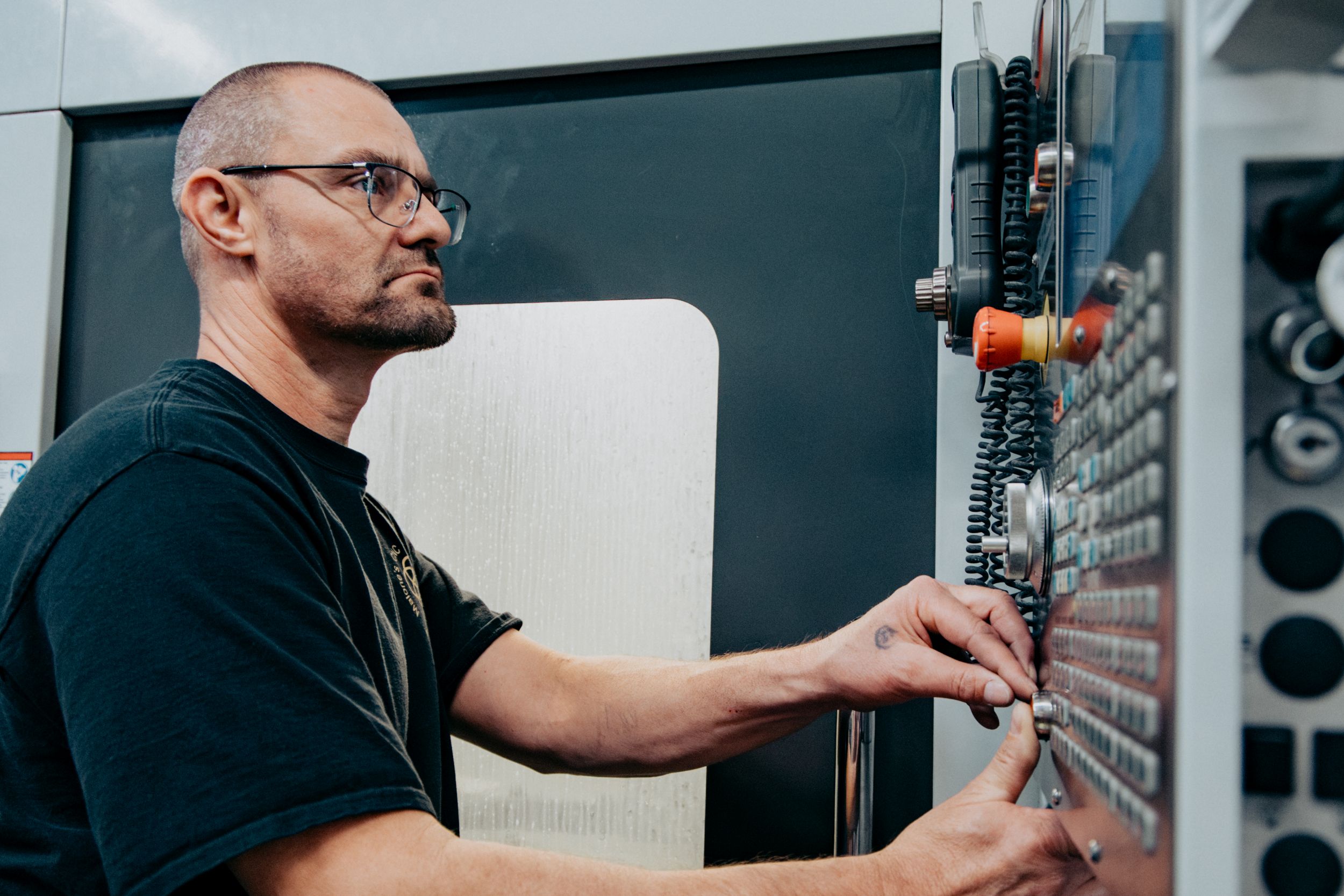
Malone’s CNC Machining in Grove, Oklahoma, manufactures replacement parts and assemblies for U.S. military aircraft. Supply-chain disruptions lengthened processing times, pressured cash flow, and contributed to tighter access to bank credit.
Advantage Capital invested in Malone’s through the federal New Markets Tax Credit program and the Oklahoma Rural Jobs Act, providing flexible financing for equipment purchases and working capital. The investment helped the company add production capacity and respond to customer needs. Malone’s also provides employees opportunities to build technical skills and advance into greater responsibility, connecting manufacturing growth with long-term career opportunities in the community.
Growth Capital for Rural Missouri Businesses
The Missouri Rural Access to Capital Act (MO RAC) is designed to increase investment in qualifying rural businesses across Missouri, including manufacturers. Advantage Capital participates as a licensed rural fund, helping connect eligible businesses with capital for needs such as equipment, working capital, expansion, acquisitions, and refinancing. The program can also be a resource for bankers, accountants, attorneys, and economic development organizations working with rural businesses that have a growth plan and a financing gap.
Baker Products, a family-owned manufacturer based in Ellington, Missouri, shows how growth capital can support rural manufacturing expansion. Advantage Capital’s investment is supporting Baker Products’ expansion into a new facility in Ellsinore, along with working capital, inventory, equipment purchases, and debt refinancing. The investment is projected to support the retention and creation of full-time jobs, helping the company increase capacity while sustaining quality jobs in rural Missouri.
Keeping Manufacturing Growth Close to Home
Onshoring is ultimately a series of business decisions: whether to add a machine, take on a customer, acquire another company, or open another shift. Rural manufacturers can play a meaningful role in domestic production when capital is available at the point where a growth decision must be made.
Advantage Capital works with growth-ready businesses and referral partners to identify financing options in overlooked and rural communities.
If you own, operate, or advise a rural manufacturing company preparing for its next stage of growth, connect with our team.
Advantage Capital Investment Adviser, LLC (“ACIA”), a wholly owned subsidiary of Advantage Capital, is an investment adviser registered under the Investment Advisers Act of 1940. Registration with the SEC does not imply a certain level of skill or training. Advantage Capital itself is not registered as an investment adviser with the SEC. Any advisory services described in documents directly or indirectly disseminated by Advantage Capital are provided exclusively by ACIA. The information contained herein is for informational purposes only and does not constitute investment advice, an offer, or a solicitation to buy or sell any security. Any offer to sell or solicitation of an offer to purchase any security or investment product will be made in compliance with applicable state and federal securities laws pursuant to a definitive confidential offering memorandum and/or similar documentation. Advantage Capital is an equal opportunity provider.
The individual case studies represent a small sample of investments that were selected to illustrate their community impact under state and federal tax credit programs. The profitability of any single investment was not a factor in the selection process. Nothing in this document should be interpreted or construed as performance data of any kind, nor as any implication or statement that investments previously made by Advantage Capital were or are successful, or that past performance is any indication of future performance. All investments involve risk and unless otherwise stated, are not guaranteed.